All Categories
Featured

Proven Market Success Narratives in the US
Table of Contents
ENA and BEAMA have selected a consortium of leading energy consultancies LCP Delta, EA Technology, Frontier Economics, and Energy & Energy Skills to provide the next stage of the Electrical energy Networks Sector Growth Plan. This phase develops on last year's interim report, which determined more than 100 billion in needed financial investment, the potential to support 10s of thousands of extra tasks by 2050, and the structures for the larger net no economy to contribute billions to the UK economy.
In specific, it will consider how the sector reinforces the UK supply chain for services and products, and how it produces top quality tasks while improving energy security. It will also set out a detailed roadmap for delivering benefits. The growth strategy will also explore the UK's prospective to end up being a world leader in network technology, abilities and Intellectual Property Rights (IPR), structure on the sector's existing strengths.
In this stage, the consortium will carry out a comprehensive analysis of the sector's current capacity, future growth opportunities and barriers to delivery. This will include a comprehensive evaluation of supply chains, abilities pipelines, financial investment pathways and the policy environment. By working closely with industry stakeholders, the consortium will determine crucial gaps, prioritise interventions and develop a clear, actionable roadmap to ensure the sector can scale at pace.
Leaders in electrical power network development and vital electrical infrastructure options. Specialists in network policy and Green Book-compliant economic effect evaluations. Service providers of industry-leading labor force intelligence across transmission, distribution and the broader supply chain.
[target2:anchor_exact1]Understanding the Risk-Free Rate in the DCF Model In a DCF (Discounted Money Circulation) model, we determine the Cost of Equity (Ke) to approximate how much return investors anticipate from a company's stock. To find Ke, we utilize the formula from the CAPM model: Ke = Risk-Free Rate + (Beta Equity Danger Premium) So, one essential input here is the Risk-Free Rate however what does that actually imply? From my understanding The Risk-Free Rate represents the return an investor can make with almost absolutely no risk.
In-Depth Market Research for Long-Term Growth
Now, no investment is 100% safe but Federal government Bonds come closest. In the stock market, returns are high but so is the danger. That's why, when experts want to estimate the Risk-Free Rate, they generally take the 10-year Government Bond yield as a benchmark.
To make it as near to risk-free as possible, we use the fully grown 10-year federal government bond yield and, if required, subtract the Nation Default Spread specifically for emerging markets where government financial obligation isn't completely safe. Example: Let's state the 10-year Indian Government Bond yield is 7.2%, and India's country default spread is 1.0%.
[target2:anchor_exact1]Simply put: The Risk-Free Rate tells us what return an investor can earn without taking much danger. It's the structure on which the entire valuation stands. #Finance.
Expert Growth Solutions Based on Verified Data
The GIZ Employment-Oriented MSME Promo Project (GIZ-MSME) intends to support Jordanian micro, small, and medium business (MSMEs) in line with nationwide strategies by concentrating on food processing, amongst others, as a sector with considerable growth and employment capacity. More particularly, the task intends to enhance enterprise competitiveness, boost proficiencies within MSMEs, and improve business and investment climate in selected sectors.
Under the auspices of both jobs, the research study aimed to offer a basic introduction of the food processing sector and sub-sectors in regards to structure and market trends, and significant difficulties and chances for development and development; it was carried out in close consultation with relevant stakeholders, drawing on previous work performed in the location.
All content on is for your general info and usage only and is not planned to address your specific requirements. In specific, the content does not constitute any kind of suggestions, recommendation, representation, endorsement or plan by feet and is not intended to be relied upon by users in making (or avoiding making) any specific financial investment or other choices.
Share rate information might be rounded up/down and therefore not totally accurate. Feet is not accountable for any use of content by you outside its scope as specified in the FT Terms & Conditions.
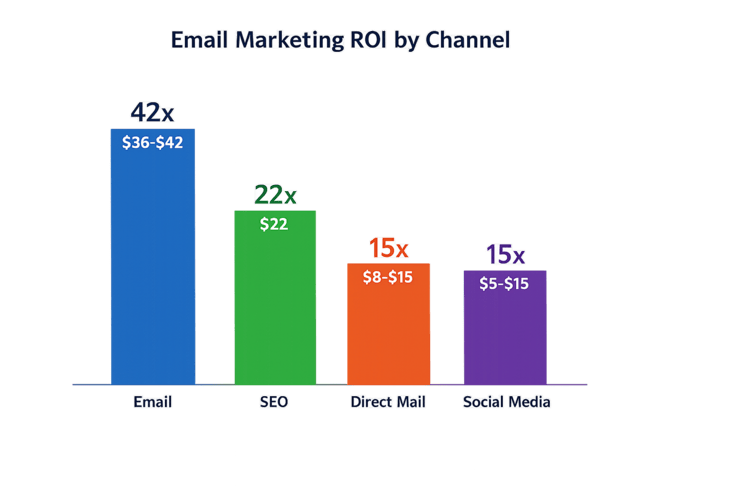
Sector analysis is a crucial tool for investors and business to evaluate various sectors of the economy and determine chances for outperformance. It includes analyzing whole markets and financial sectors to identify development patterns, competitive landscapes, and potential customers relative to the overall market. Sector analysis paves method for filtering better carrying out business.

Latest Posts

Analyzing Market Growth Shifts across the United States
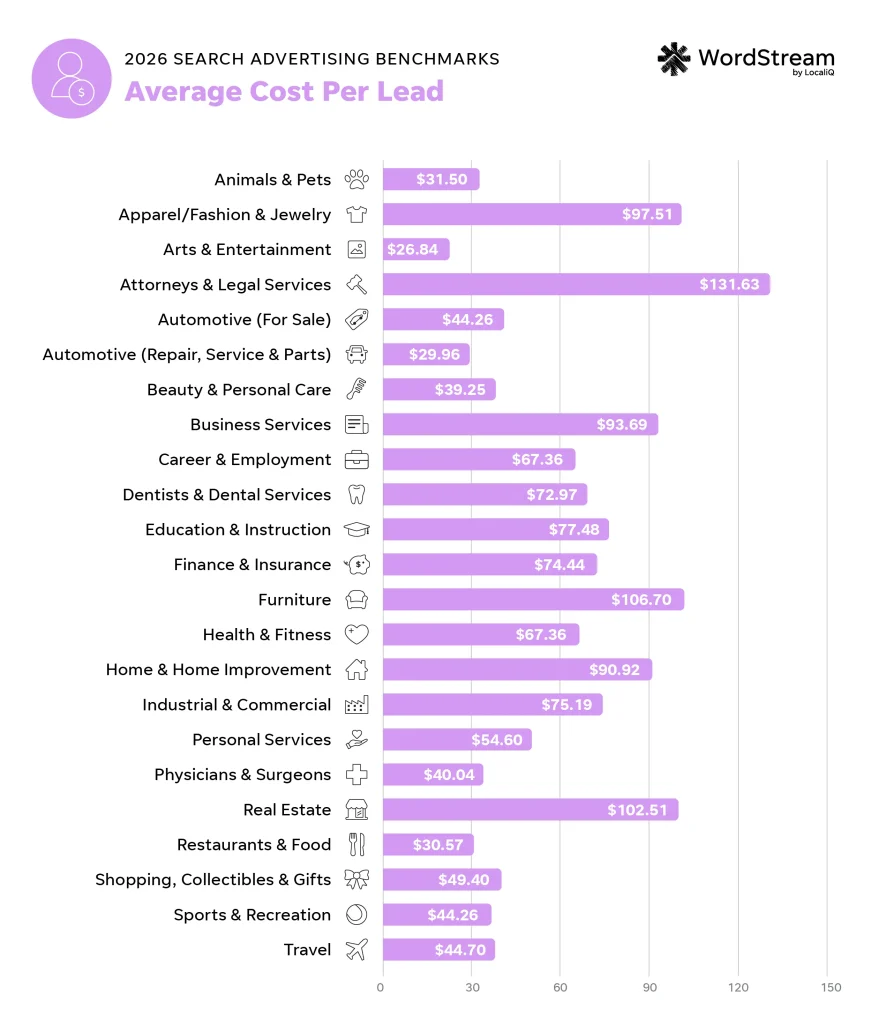
How Competitive Intelligence Drives Business Expansion
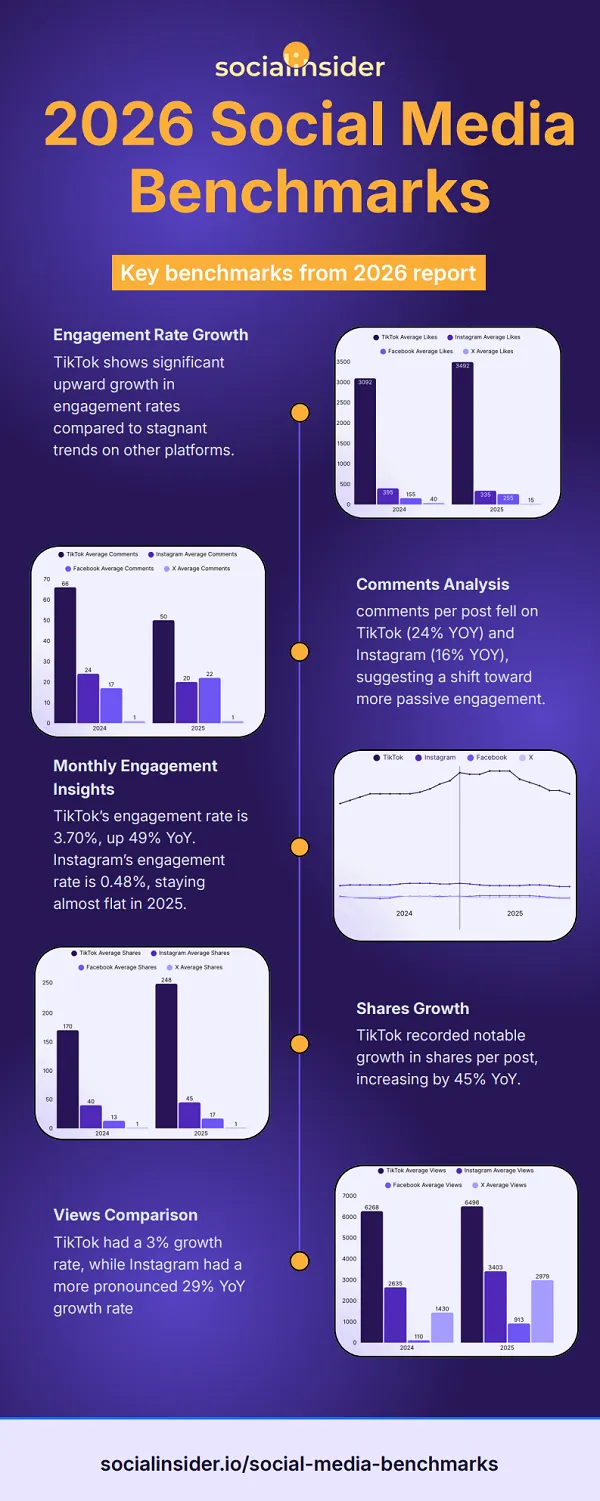
Comprehensive Competitive Research Best Practices