All Categories
Featured


Conducting Comprehensive Competitor Analysis for US Success
Table of Contents
Due to the fact that this is a summary report, it's best utilized for finding trends and top-level performance. If you desire to dive deeper into particular metrics, the more customized report examples below are a better fit. Bounce rate Campaign performance Channel efficiency by traffic source (website traffic, organic traffic, paid traffic, referral traffic) Objective completions Where to assign marketing budget across channels Which marketing channels require optimization What to prioritize next month SEO is a crucial part of any long-lasting digital marketing technique.
It brings SEO data together in one place so results are simple to evaluate and describe. Organic sessions Organic conversions Organic landing pages Keyword rankings Which pages and keywords drive the most natural traffic Where SEO chances or drops require attention How to focus on SEO efforts for the coming months PPC is one of the easiest channels for tracking return on investment, but efficiency just enhances when outcomes are kept an eye on and optimized frequently.
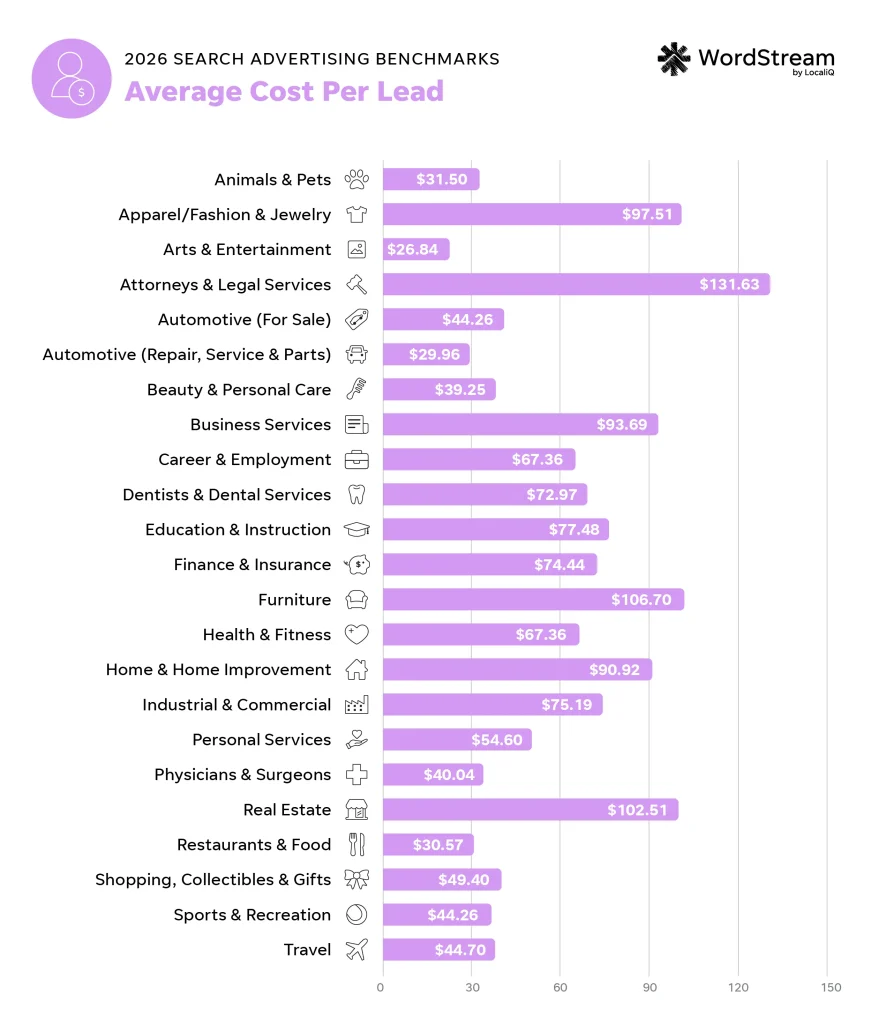
This type of report normally supports platforms like Google Ads, Facebook Advertisements, Bing Ads, SEMrush, and more, offering teams a clear view of paid efficiency throughout channels. Variety of leads Revenues Clicks and expenses Conversions Ad efficiency We likewise recommend arranging your data by channel to get a breakdown of how every one is performing.
Strategic Competitive Research Methods for Modern Firms
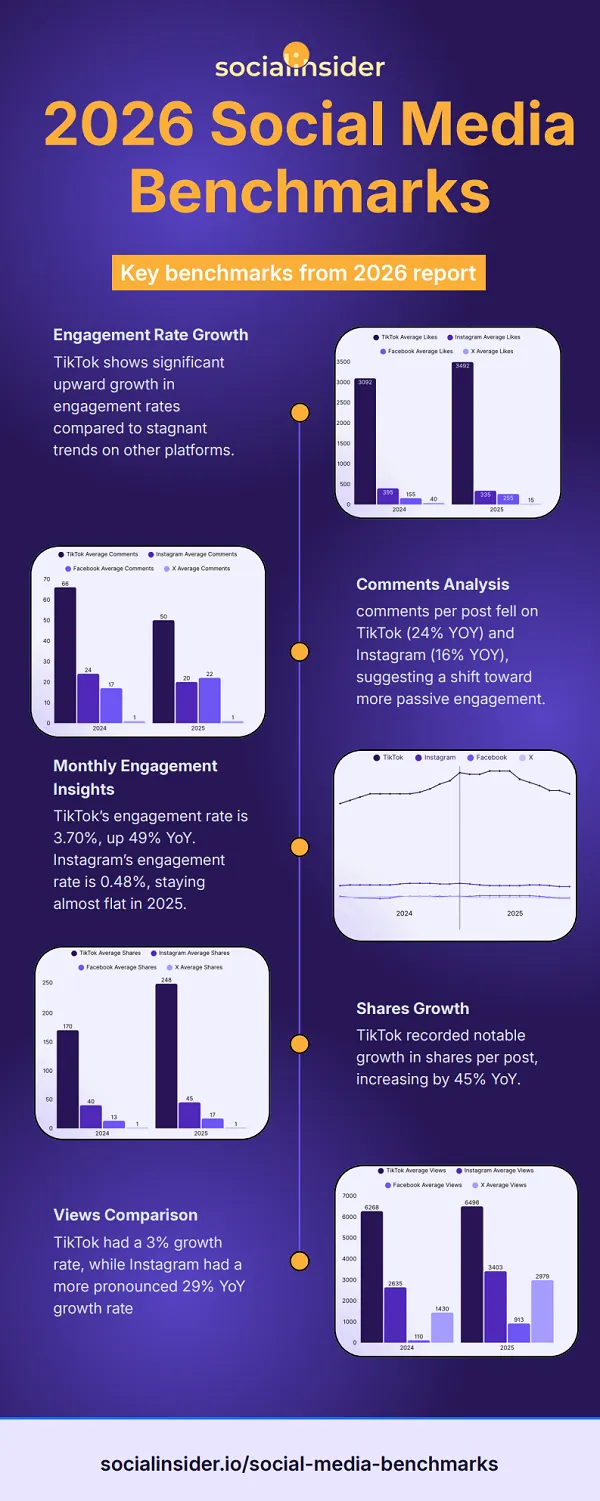
A social networks marketing report brings performance from all active platformssuch as Facebook, TikTok, X (Twitter), Instagram, YouTube, and LinkedIninto one place, making it simpler to comprehend what's resonating with your audience. Demographics of the target market Likes and followers Impressions and reach Engagement rate Leading carrying out posts Similar to pay per click marketing, the data in the report must be organized by social networks platform for a clearer summary.
Whether using Facebook Ads or Google AdWords, this report ought to consist of all your screen ad channels. Clicks Cost and cost per click Click-through rate (CTR) Impressions Conversions Which campaigns produce the a lot of worth Where to adjust spending plans or bidding techniques Which ads or audiences require optimization! As your products and services develop and change, so should your e-commerce marketing strategy.
[target2:anchor_exact1]Ecommerce marketing involves a number of marketing channels, from Google Analytics to social media, so Income Conversion rate Transactions Bounce rate Pages per session Average order value Which channels and projects drive the most revenue Where buyers drop off in the purchase journey What to enhance to increase conversions and typical order worth Email marketing is a direct method to reach your audience, however performance just improves when campaigns are determined and enhanced.
[target2:anchor_exact1]Evidence-Based Industry Solutions for High-Growth Markets
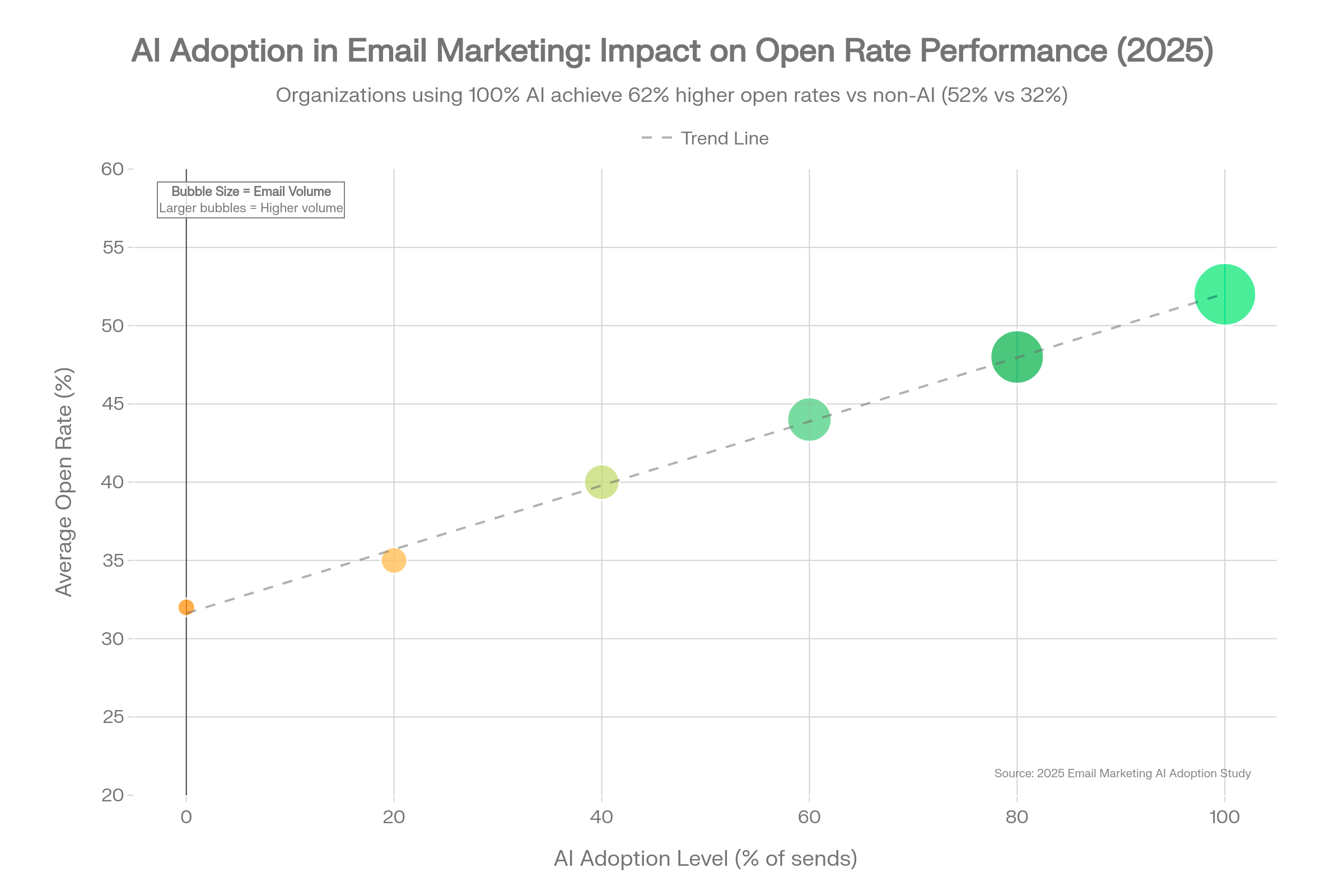
Rather than sending emails and expecting the finest, this report assists teams track efficiency and link e-mail outcomes to organization results. That's where our is available in. Variety of emails sent Distinct open rate Click rate General project performance Which e-mail projects drive one of the most engagement and conversions What content or messaging resonates with your audience How to optimize future email projects to improve outcomes Basically, you wish to track the number of people opened your e-mail and converted.
Regular monthly reports provide enough data to find patterns, assess performance, and comprehend the impact of changes without frustrating stakeholders. In some situations, or can be useful, particularly for monitoring active projects or short-term optimizations. That said, sharing reports too regularly can result in info overload, causing clients or executives to disengage and miss essential takeaways.
Whether you evaluate efficiency daily, weekly, or monthly, reports can be set up when and upgraded immediately, so teams spend less time reporting and more time acting on insights. Creating effective marketing reports doesn't have to be lengthy or complex. has a lot of other that cover quite well every aspect of digital marketing.
Data-Backed Marketing Solutions for US Markets
Reports can be personalized using drag-and-drop widgets, then automatically shared with customers or stakeholders on a schedule that fits your workflow. The result is much faster reporting, clearer insights, and more time to focus on technique.
Marketing reporting isn't practically showing the value of your marketing group. Or at least it shouldn't be. The whole purpose of reporting on your marketing efforts is to be able to make much better data-driven marketing choices. Whether that's the decision to double down on a specific marketing channel or to end an underperforming campaign early, marketing reporting must surface the insights you require to make choices with data, not your gut.

Latest Posts

Analyzing Market Growth Shifts across the United States
How Competitive Intelligence Drives Business Expansion
Comprehensive Competitive Research Best Practices